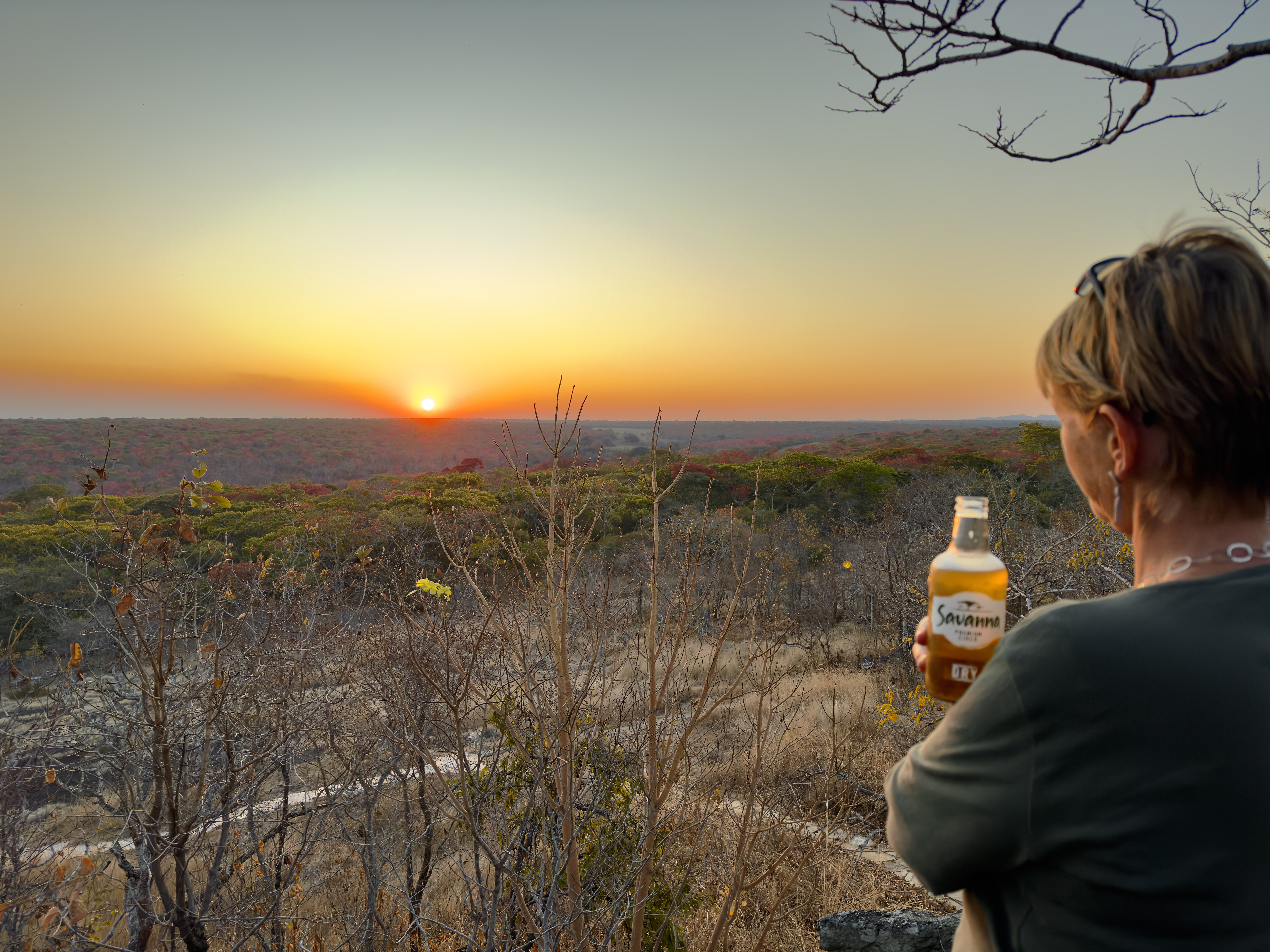
“Recalling exactly why, where, and when the idea of a self-drive adventure to East Africa first emerged is rather vague. Somewhere around 2010, sitting on the banks of the Zambezi watching an incredible sunset, one of us casually suggested that ‘We need to go further north than this river.’ We never forgot that, and from there, one of us would occasionally drop a reminder: ‘How about our self-drive bush trip to Kenya one day?’ Then in 2024 all the moving parts fell into line: kids, work and time, and we made it happen.”
This is an extract of the epilogue from Roy and Robyne Cackett’s exquisite chronicle of their latest journey through Africa. Intrigued? Oh, absolutely!
If there is one thing that is clear, it is that travel is deeply personal for the Cacketts. From the neatly stacked picture books on their coffee table, each spined with a location and filled with superb photographs, to the reverence with which they share their experience, their itinerant nature is palpable.
Though, Roy points out, their type of travel is not of the “jetsetter” variety. Their penchant, rather, is enjoying the bush and its wildlife, away from the “hustle and bustle” of city life. “We started our self-drive bush trips in 2000,” Roy begins. “Our first trip was to Zimbabwe. The more we travelled, the more like-minded families we connected with, with children around the same age as ours, which made the trips an annual event for the next 20-odd years.”
With a shared fascination for eco-systems and biology, Roy and Robyne find Africa to be a trove of natural wonder. Though they could not possibly pick a favourite destination, Mana Pools in Zimbabwe is special to their family. The United Nations Educational, Scientific and Cultural Organization (UNESCO) World Heritage site’s proximity to the Zambezi River is a significant part of this, of course; as Roy puts it: “anywhere the Zambezi is, is beautiful.”
Earlier this year the couple embarked on a three-and-a-half-month sojourn through Botswana, Zambia, Tanzania and Kenya. Collectively, they spent 63 nights in their tent – setting it up and pulling it down 25 times – and drove approximately 17 000 kilometres. Driving, not flying, and staying in the tent adds a simplicity to the experience the Cacketts find recalibrating.
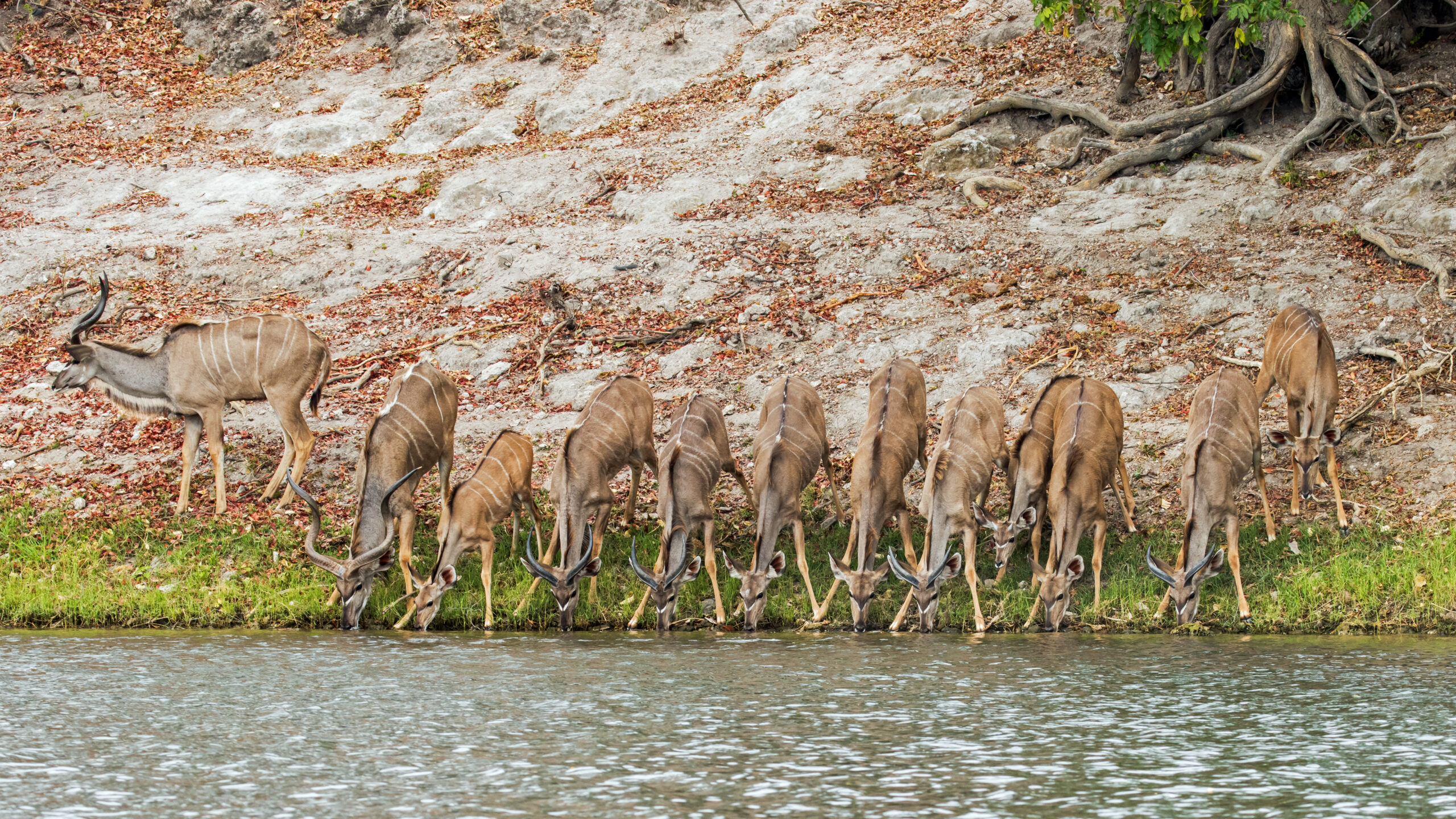
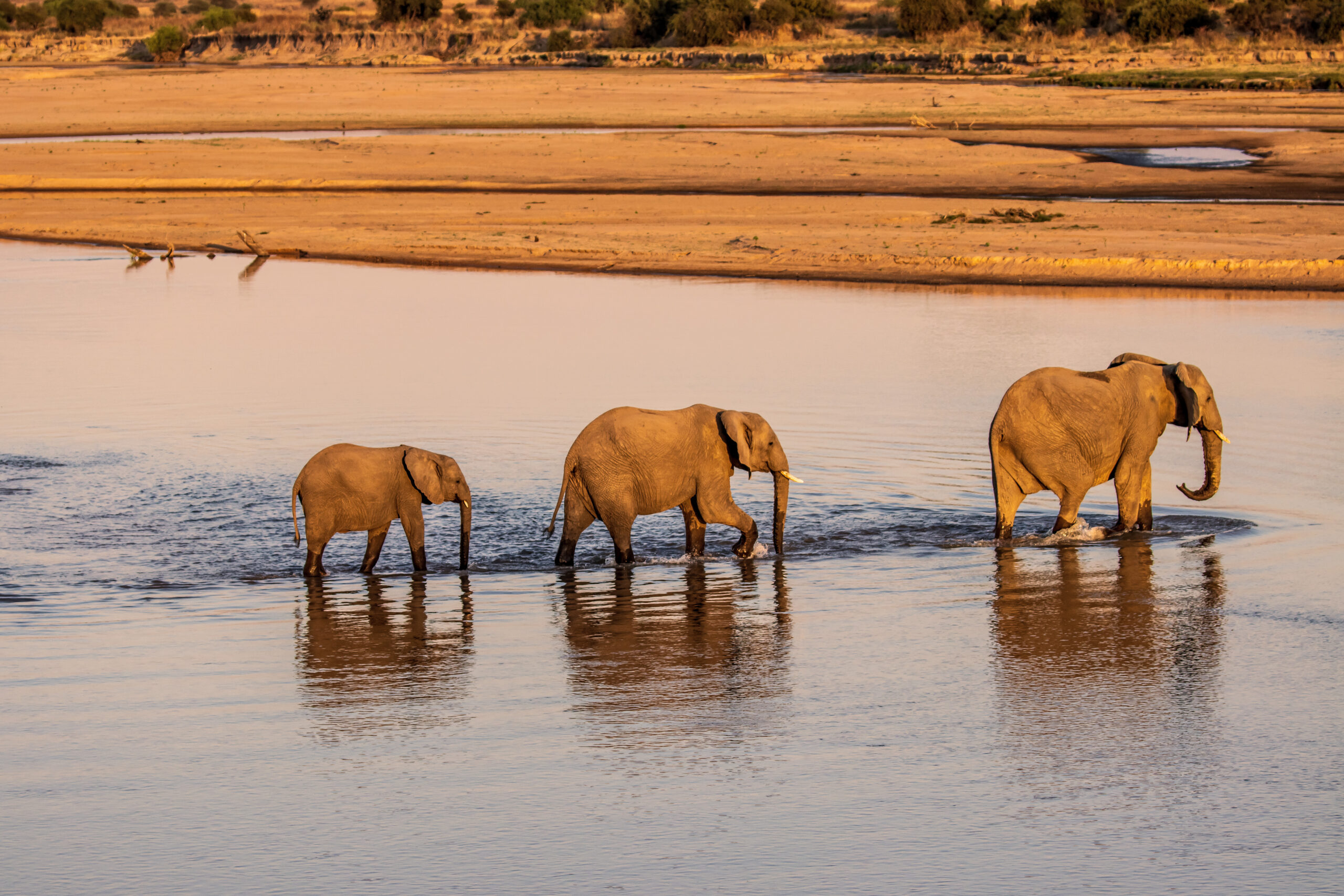
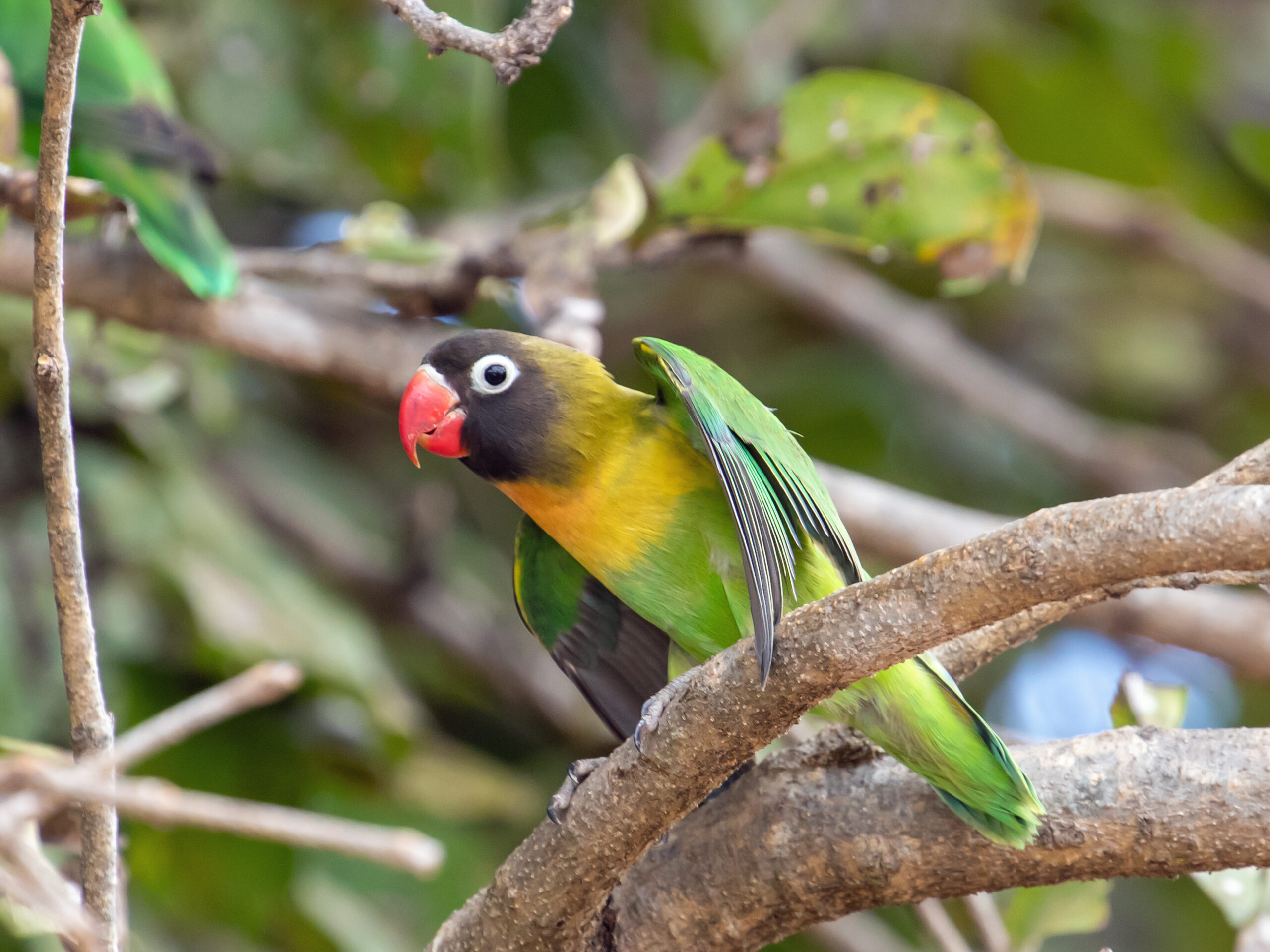
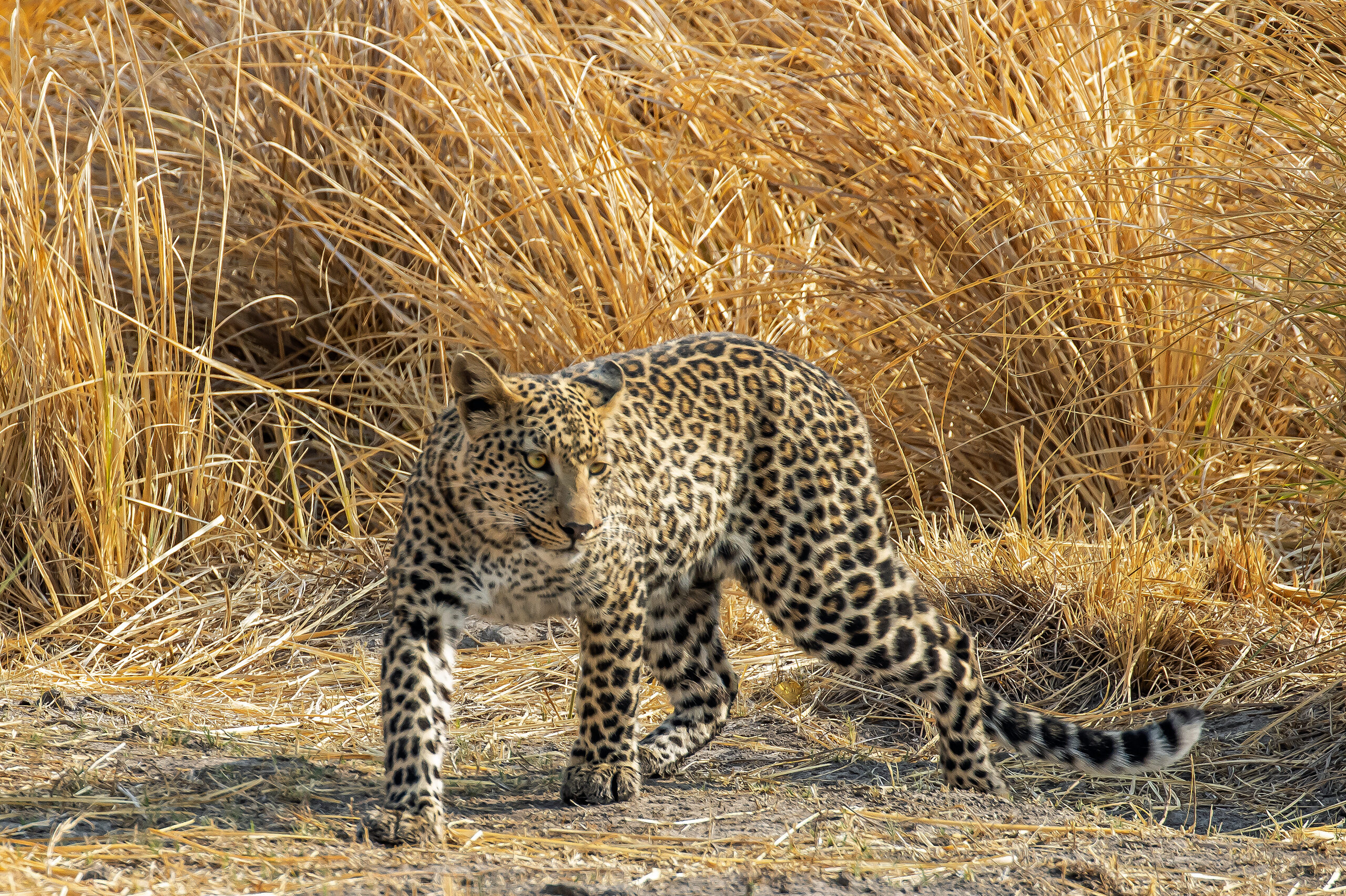
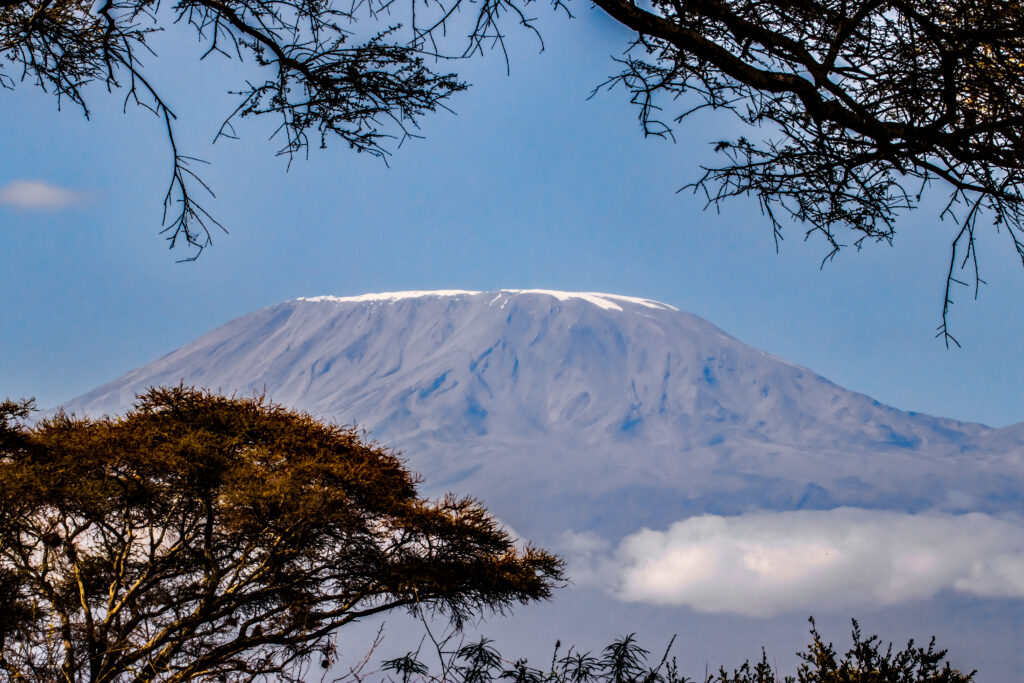
When asked what the highlight of their latest trip was, Roy and Robyne agree the wildlife sightings were incredible. “We added thirty-five new bird species to our lifetime lists, and it was special to see endemic birds that we probably won’t see again,” Roy says. “The Amboseli National Park in Kenya was also quite something. There are no fences around the Park, and the surrounding communities play a key role in conservation in working co-operation with Kenya Wildlife Service.” Robyne expresses her delight at seeing villagers herd their animals into the Park to graze and drink. “The way they co-exist peacefully was fantastic to observe; most importantly, conservation is working.” Meeting Craig, Kenya’s largest Super Tusker Elephant, was an experience Roy recounts with awe. The majestic creature was born in Amboseli in 1972 and is one of less than 20 super tuskers left. He, too, roams between the Park and nearby villages under the watchful eye of a Maasai warrior.
Travelling, especially through the African bush, requires a change in mindset, says Robyne. “You have to teach yourself to switch off,” she explains. “Early on in our travels, we learnt a Swahili phrase: pole pole, which means slowly, slowly. It is a way of life that encourages unhurriedness, and we’d find ourselves repeating it when we became a bit frustrated on the journey…like at a border post,” she smiles.
In Africa, the couple shares, life is calmer and decidedly more forgiving than the whir of the city. “Robyne and I are both left-brained thinkers, so when we set off, we had spreadsheets with plans, destinations, distances and dozens of contact details. But very quickly in East Africa, we gradually let go of these and went where our hearts told us to go.” Roy remembers being cautioned about arriving at a park in Tanzania without a reservation. “We arrived at Ruaha National Park with no booking at all, very stressed, but we were assisted within minutes by the friendliest teams. As we drove, we used Tracks4Africa and WhatsApp to make reservations a few days ahead, and it worked. So simple,” he shares. “We were like tortoises, in a sense, with a house on our back,” Robyn muses. “If we are enjoying a particular place or setting we would say to each other…ah, let’s stay another day, without stressing about an itinerary or a flight schedule.”
Where to next?
The Cacketts are scheduled to visit Gonarezhou in Zimbabwe and Gorongosa in Mozambique next year. “Africa is where our souls are, but we like to have a purpose behind our destinations. So, going to Gorongosa to find a few special endemic bird species fits that mindset. Our self-drive approach is as much about personal discovery as it is about exploring new areas of Africa’s wilderness. That’s how we generate special experiences, which we convert into hardcopy memories through our photobooks. Sometimes you need to dig deep to find resilience, resourcefulness, and adaptability to navigate Africa’s surprises and hurdles. But that’s what makes our trips so special!” is Roy’s concluding comment.
As they plan, the tranquillity of Simbithi Eco-Estate remains their tonic.